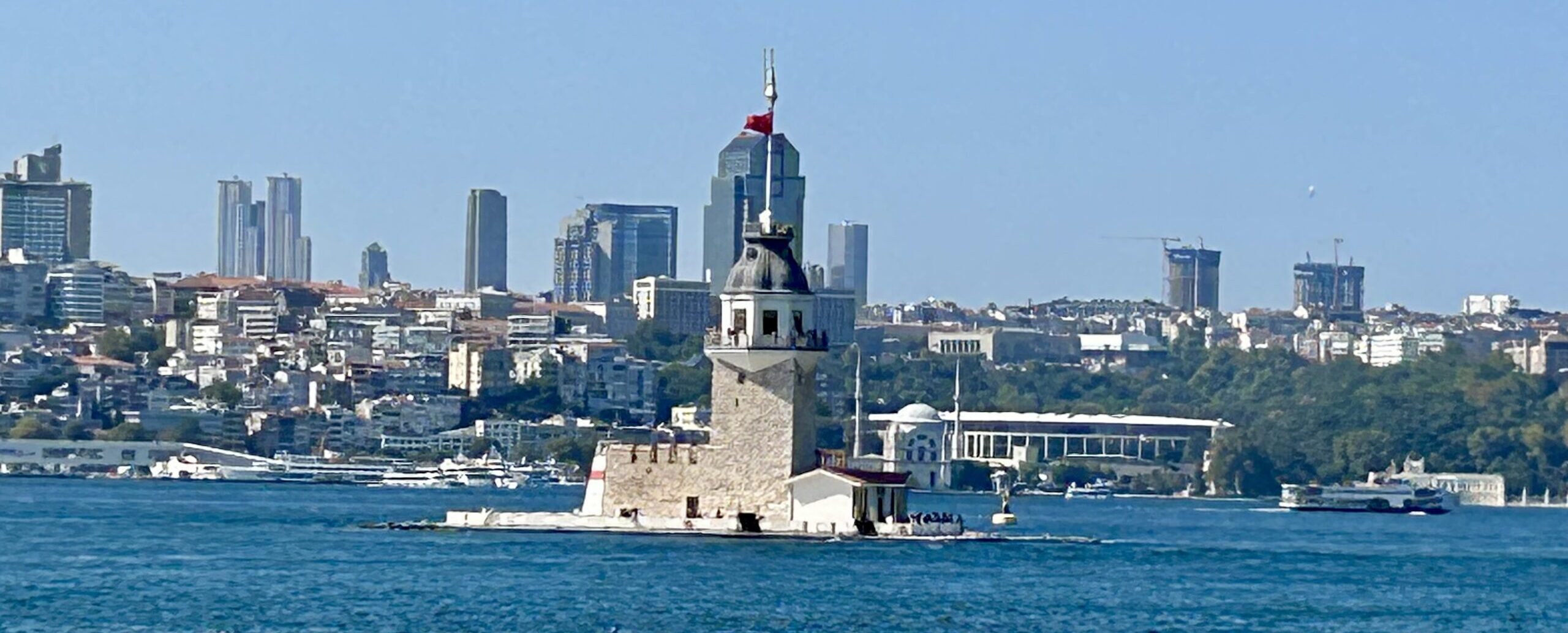
First and foremost, the Maiden’s Tower (Kız Kulesi), one of the most photographed landmarks of Istanbul, is not the Leander’s Tower. The culprits of the misnaming are European travellers to Istanbul in the 18th century who must have thought that the tragic story of Leander and his lover Hero would sound ever more romantic if linked to this miniature tower close to Üsküdar’s shore. It is true that the setting of the legend of Leander and Hero, which was versified by the Roman poet Ovidius (43 BC – 17 AD), is a strait. However, that strait is not the Bosphorus but the Dardanelles, close to the city of Çanakkale in modern Turkey. The Maiden’s Tower has several legends of its own that have been narrated from one generation to the next but, the Leander confusion still continues for some sources.
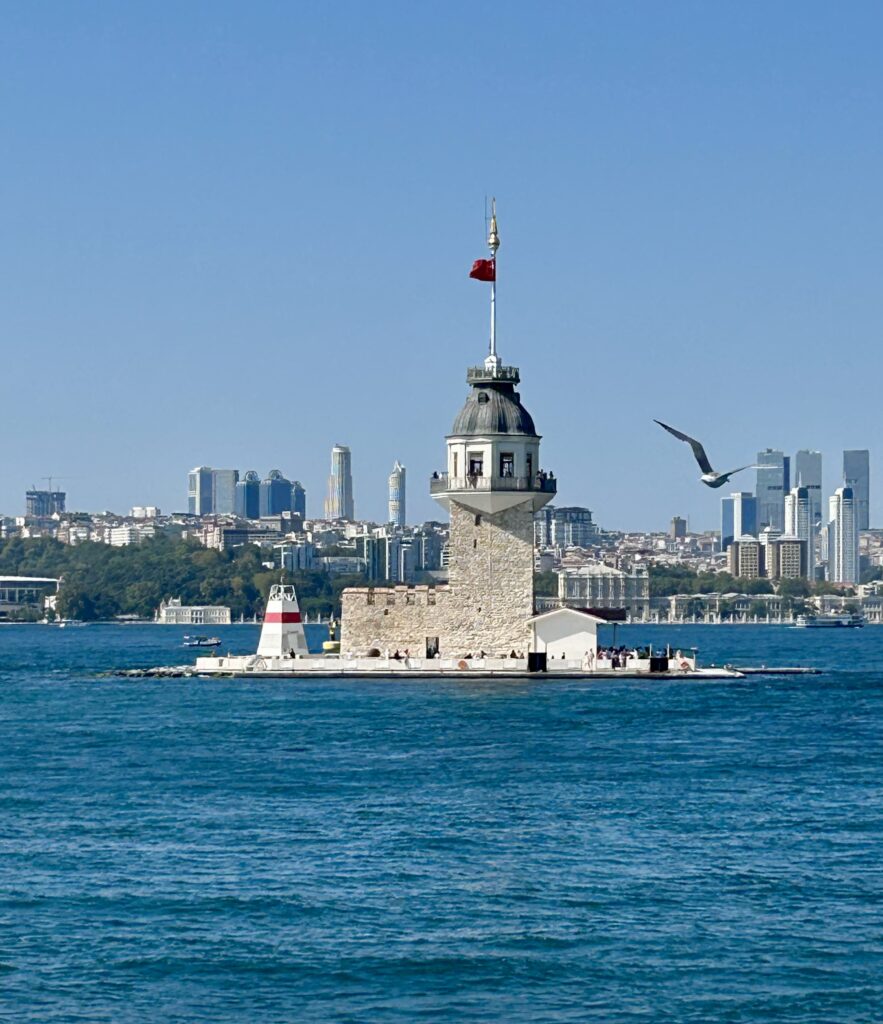
The most popular legend about the Maiden’s Tower is about a king and his beloved daughter to whom the tower owes its current name. According to the fable, the king was foretold by a fortune teller that the princess would die because of a serpent’s bite. In an attempt to reverse fate, the king had a a tower built on the islet which is just a few hundred meters from the shore and the princess was confined to live there under protection. Years passed until one day a basket of grapes was brought to the tower. The princess’s fate arrived with that basket. She was bitten by a snake that was hidden among the grapes.
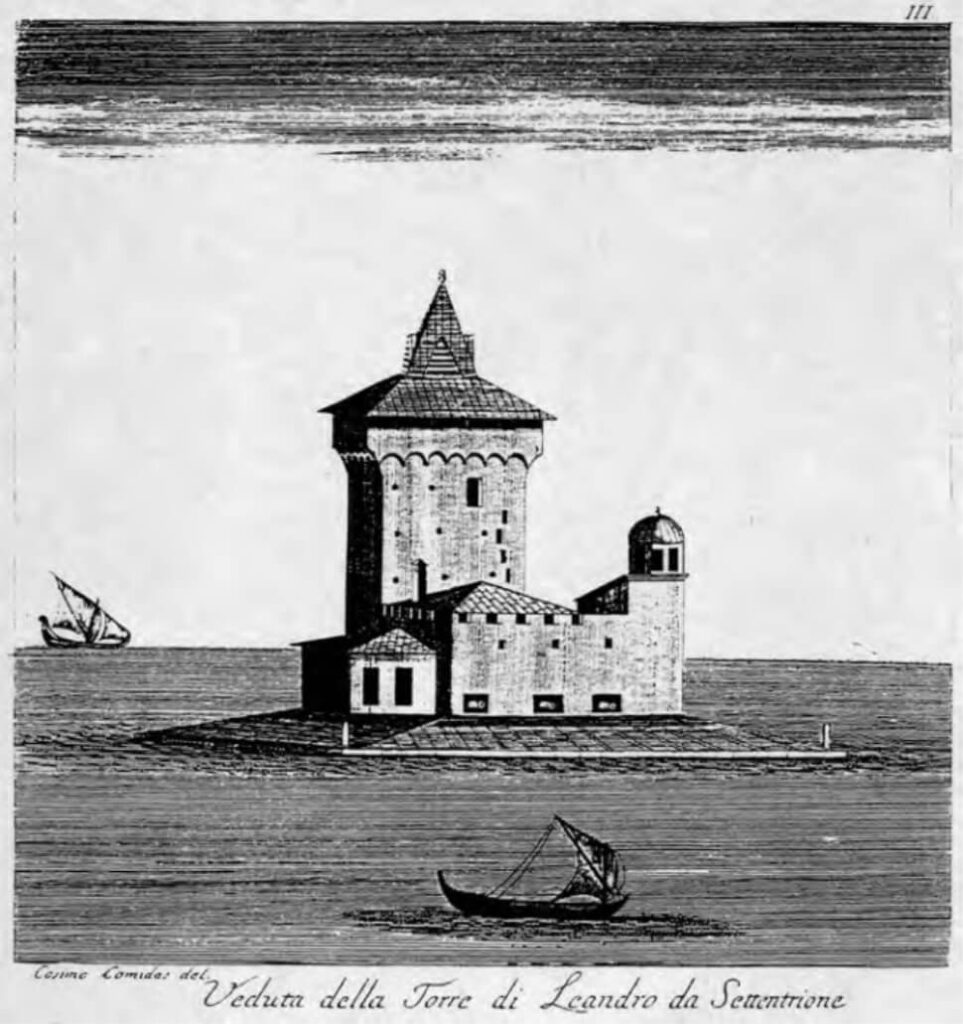
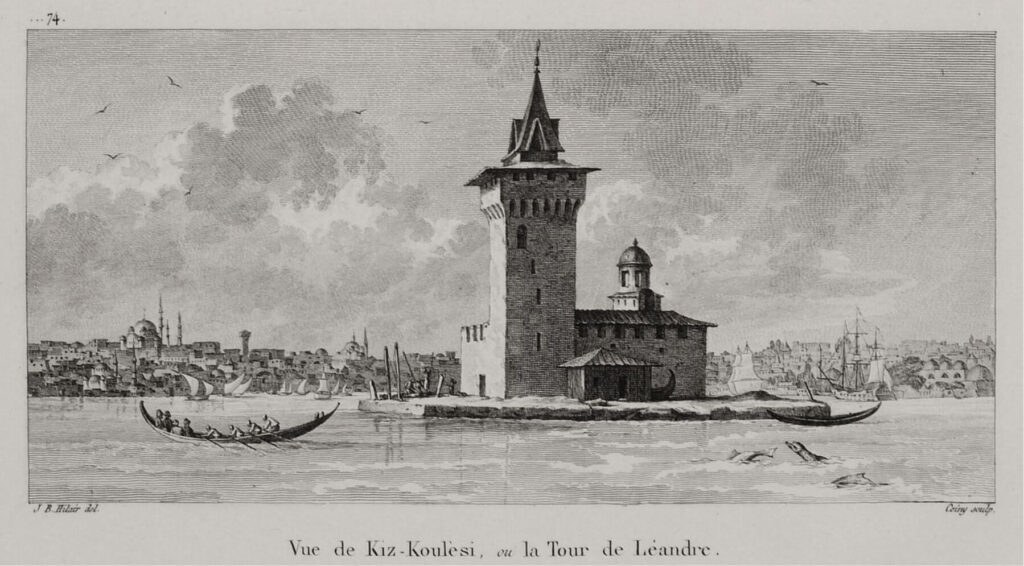
Legends aside, it is known that an initial structure with a tower was built right at this spot in the 5th century Before Christ (410 BC), in order to inspect the ships coming from the Black Sea and to collect taxes. Then, according to the Byzantine statesman and historian Nicetas Choniates (1155-1217), a small fortress was built on the island by the Eastern Roman (or Byzantine) Emperor Manuel Comnenus I (r. 1143-1180) in the 12th century. He attached a chain that stretched from this tower to another tower, namely the Mangana Tower, right across on the opposite bank in today’s Sarayburnu where the acropolis of the time stood. In this way, entry to the Bosphorus was taken under control.
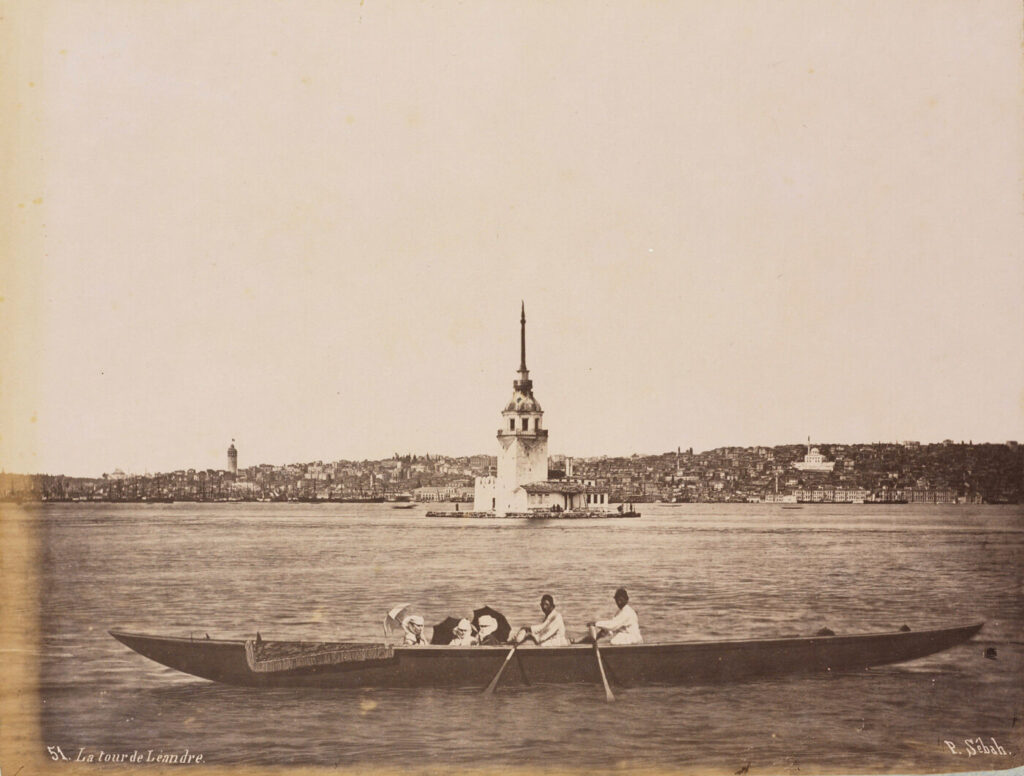
Harvard Art Museum
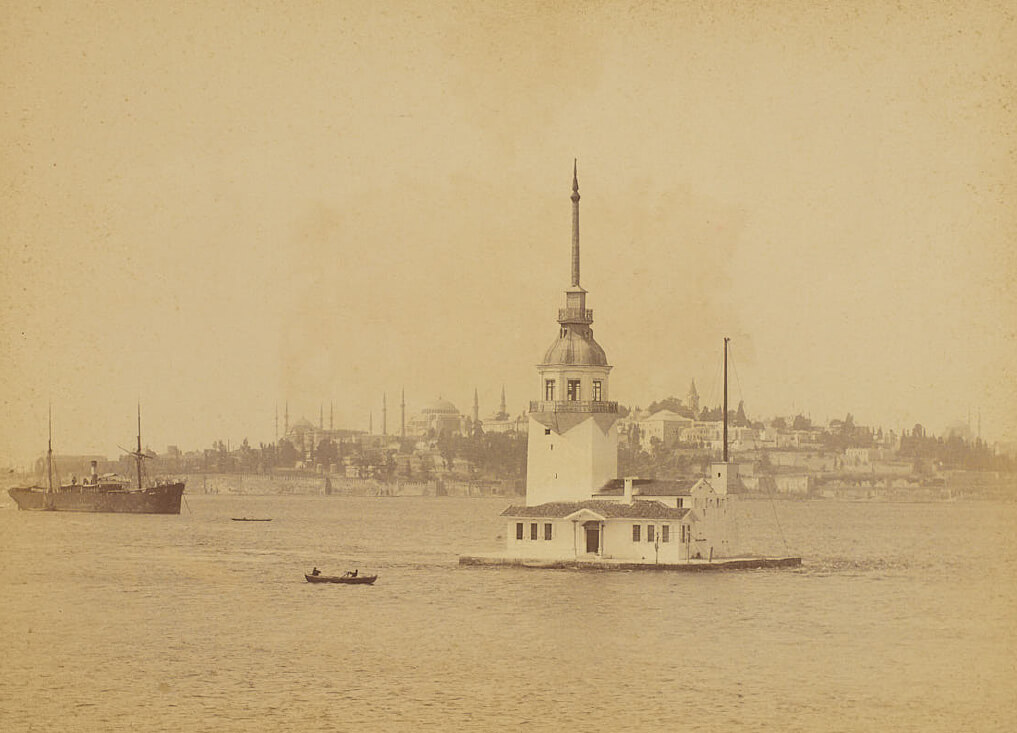
After the Turkish conquest of the city in 1453, Sultan Mehmet II the Conqueror commissioned a new castle at this location. A guard unit was placed on the site and in the following centuries it became traditional to salute the Sultans with cannon shots from here when they ascended the throne or visited the seashore palaces.
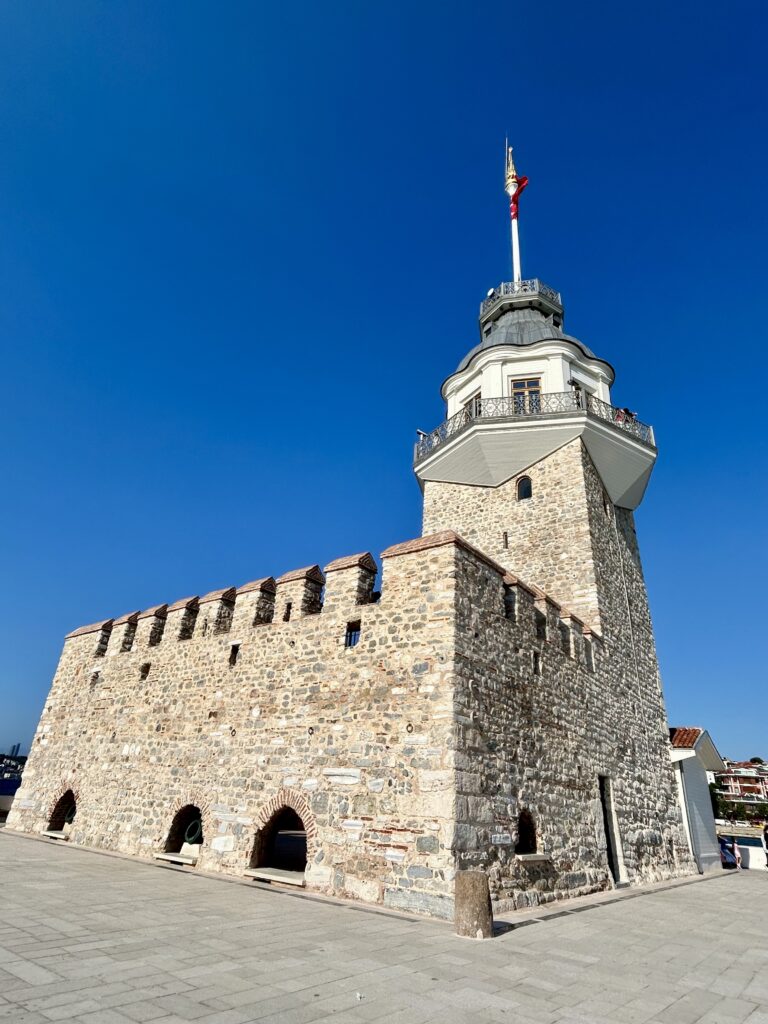
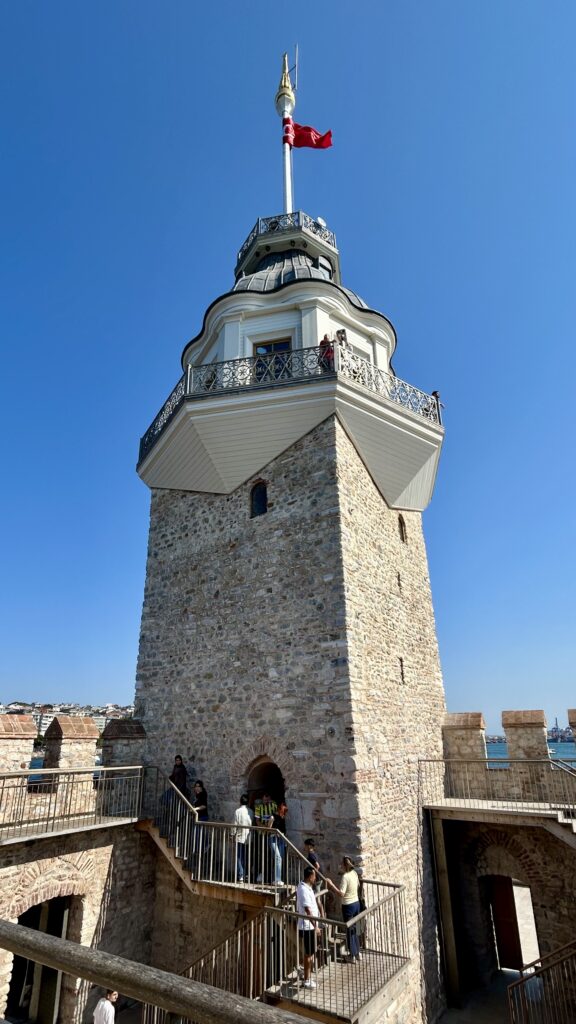
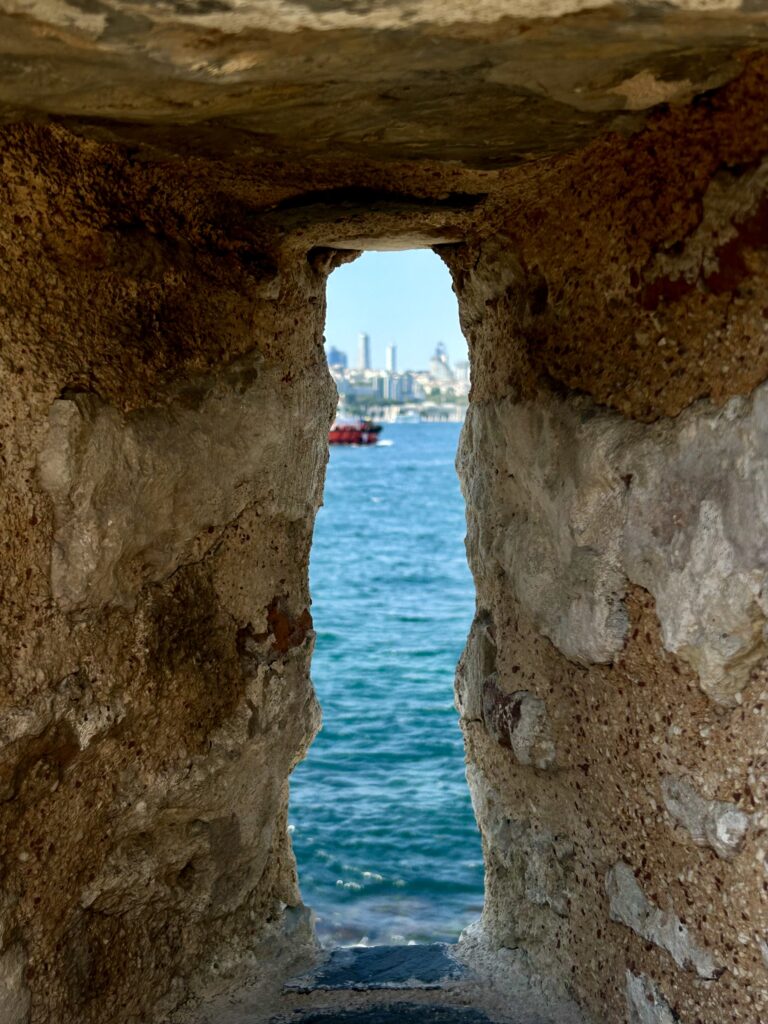
As the centuries went by, the Maiden’s Tower not only acquired new functions such as a lighthouse, a semaphore station, a quarantine, a customs control point, a gas storage point, a radar station and a retirement home for naval officers, but its structure was also changed as it was pulled down and rebuilt several times. Old drawings and photographs clearly indicate this change in its architecture over time. Between 1995 and 2000 the tower underwent an extensive restoration and was later rented to a private company as a restaurant. The most recent restoration between 2021-2023 aimed to get rid of the illegal additions that were made during this prior period. The structure was demolished and reinforced against any possible damages that might be caused by an earthquake. The operation raised a lot of protests from the public that claimed the original structure was spoilt. In reality, historically the Maiden’s Tower did not have a known original structure because it was changed numerous times over a period of almost 2500 years. Therefore, it was decided by the Ministry of Culture and Tourism to abide by the only reliable documents and architectural plans of the building that date back to the time of Sultan Mahmud II (r. 1808-1839) when it was restored between 1832-1833.
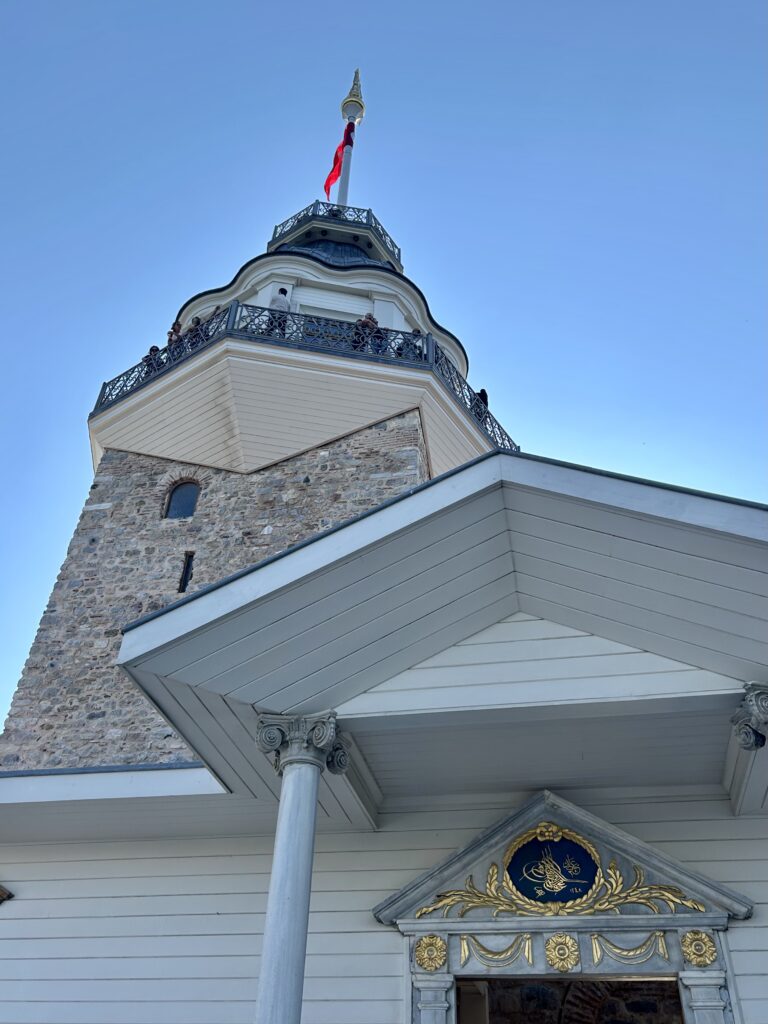
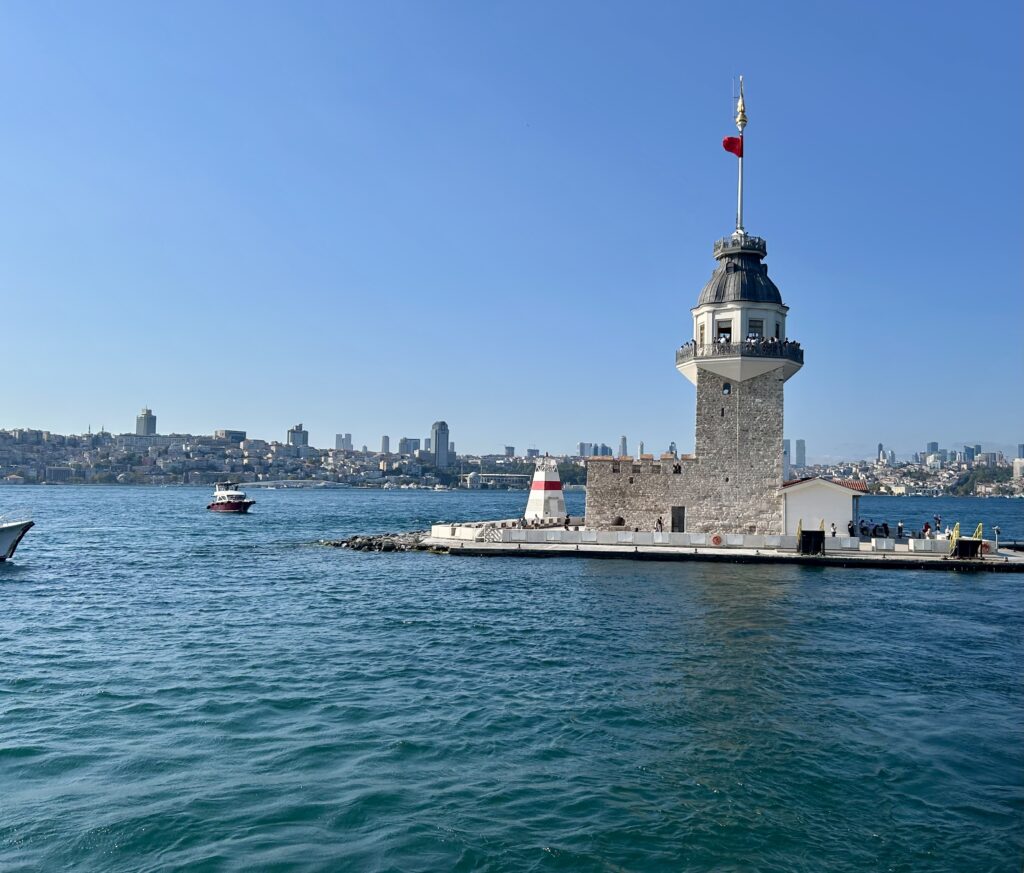
The Maiden’s Tower was reopened to the public on May 11th, 2023. It is accessible by boat from both the Salacak Pier (about a 20-minute walk from Üsküdar) and the Karaköy Pier on the European shore. It is free for Museum Card Türkiye holders but a fee is still charged for the boat transportation. You can check the official web site for the most recent information about the transportation time-table, the boat fare and the entry ticket prices (https://kizkulesi.gov.tr/en/visit). On the historical site, there is also a small niche cafe with just a few tables that is run by the renowned pastry shop Baylan. Here, you can taste a restricted selection of the trademark’s specialties. You can follow the link for more information about Baylan and its full-scale flagship shops around the city.